

Outdoor Dining Boom in Dubai Winter: Cleaning Challenges Most Restaurants Don’t Plan For
- Read Time: 6 mins
Dubai’s winter dining boom shifts restaurants outdoors, increasing exposure to dust, traffic, and hygiene risks. This article examines the operational and cleaning challenges operators often miss.
Outdoor Dining Boom in Dubai Winter: Cleaning Challenges Most Restaurants Don’t Plan For
Dubai doesn’t “cool down” in winter so much as it recalibrates. The city exhales. Terraces reopen, rooftops rebrand themselves as destinations, and every second venue suddenly discovers the romance of “al fresco.” This seasonal pivot isn’t cosmetic; it’s commercial. Dubai’s winter cycle pulls footfall outward and upward toward marina decks, promenade tables, courtyard lounges where ambience sells as much as food. In November alone, Dubai recorded 1.83 million international visitors, a surge that reliably coincides with peak outdoor dining demand.
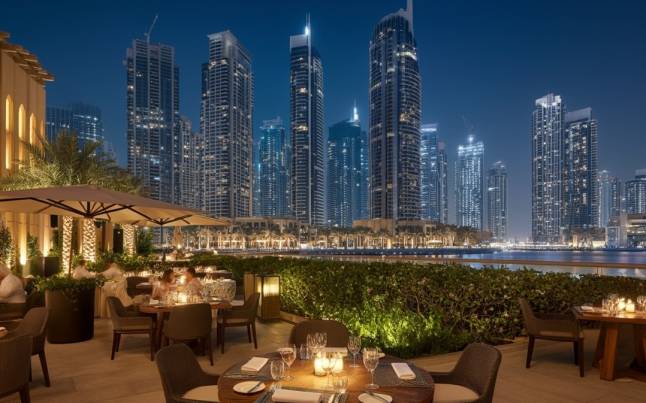
And yet, while operators obsess over lighting, playlists, heaters, and menu engineering, the unsexy reality gets ignored: winter service is a cleaning stress-test. Outdoor dining multiplies your surfaces, your exposure, your hygiene variables and your risk. That’s why cleaning equipment Dubai isn’t just a procurement line item in winter; it becomes part of brand protection.
The Winter Terrace Is A Contamination Magnet
Dubai’s winter charm comes with environmental baggage. In open-air service, dust and fine sand don’t arrive dramatically; they arrive constantly. They settle into grout lines, cling to textured furniture, and blend with spills in ways that turn minor mess into stubborn residue. Add evening humidity, and you get grime that binds faster and cleans harder.
The operational difference between indoor and outdoor isn’t incremental, it's structural. Indoors, you control airflow and exposure. Outdoors, you inherit the city: wind patterns, nearby construction particulate, foot traffic drag-in, and the inevitable bird presence around waterfronts and fountains. A terrace may look perfect at 6 p.m. and feel tired by 8 p.m., even if the food is flawless.
Cleanliness Is A Revenue Lever, Not A Back-Of-House Detail
Dubai diners buy experiences with their eyes first. Outdoor seating is an Instagram stage, and stages cannot look “almost clean.” The irony is that terraces are marketed as effortless luxury while requiring the most relentless maintenance. When operators treat outdoor cleaning as a lighter extension of indoor SOPs, the guest experience collapses in small, expensive ways: sticky chair arms, dusty baseboards, stained deck corners, faint odors near service stations.
In a city with an unusually dense dining ecosystem roughly 13,000 food and drink establishments competing for attention details become differentiators.
In that kind of market, cleanliness isn’t compliance; it’s conversion. A single negative review about hygiene can outperform a dozen positive comments about taste.
Hygiene Compliance Doesn’t Stop At The Kitchen Door
Winter terraces are not exempt zones. Inspectors and customers judge outdoor areas with the same scrutiny they apply to dining rooms. The mistake many teams make is focusing on “visible clean” rather than “sanitary clean.” Outdoor zones accumulate microbial risk in overlooked places: under table feet, along perimeter drains, around planters, and on soft furnishings that trap moisture overnight.
This is where chemistry becomes consequential. Commercial cleaning chemicals are often necessary in peak season to break down grease-laced dust, remove organic residue, and control odor at scale but only when chosen and applied with material compatibility in mind. Overuse can bleach composite decking, strip sealants from stone, or degrade upholstery coatings. Underuse leaves invisible buildup that returns as odor, staining, or pest attraction.
Staffing Reality: Winter Service Creates Cleaning Debt
Winter is busier, longer, louder. Service teams run harder and later. That creates a predictable pattern: cleaning becomes reactive. A spilled drink gets wiped, but the residue remains. A chair gets sprayed, but not rinsed. The floor gets mopped, but the edges don’t. Over weeks, micro-skips become macro-problems.
This is cleaning debt small compromises that compound until a venue needs a disruptive deep clean, a refurbishment, or worse, a reputation repair. The highest-performing operators plan winter cleaning like they plan staffing: with roles, timing, and accountability. They separate “service cleaning” (fast resets during operations) from “maintenance cleaning” (scheduled interventions that protect materials and hygiene).
Materials Don’t Forgive Neglect
Outdoor furniture and finishes look durable until they aren’t. Cushions hold moisture. Outdoor rugs trap sand. Stone surfaces stain when dust bonds with oils. Wood and composite boards dull under abrasion. Winter doesn’t just increase usage; it accelerates wear.
Operators often underestimate the cost of replacement and refinishing over a single season. Soft seating that isn’t cleaned correctly starts to smell. Decking that isn’t protected starts to discolor. The venue still “works,” but it stops feeling premium, and premium is the entire point of winter terraces in Dubai.
The Operators Who Win Treat Cleaning As Strategy
The smartest winter operators are no longer asking, “How often should we clean?” They’re asking, “Where does dirt accumulate fastest, and why?” They map peak contamination points: terrace entrances, service corridors, beverage stations, shisha zones, planter edges, and high-touch surfaces. They schedule targeted interventions around footfall patterns instead of guessing.
This is where winter cleaning turns from cost center to competitive advantage. A terrace that remains crisp at peak hour signals discipline. It tells guests the venue runs well, not just looks good. And in a crowded winter market, operational excellence is the sharpest form of branding.
Planning Beyond The Menu
Dubai’s winter outdoor boom isn’t a novelty, it's a recurring revenue engine. But terraces don’t scale gracefully without a cleaning plan that is as intentional as the menu. If your winter strategy is all ambience and no maintenance architecture, you’re building a premium experience on fragile foundations.
Because in Dubai, winter doesn’t reward the venues with the prettiest terraces. It rewards the ones that can keep them pristine night after night when the city is watching.